
Logo
faq question Joey Med

Lifting Weights on a GLP-1 in 2026: New Trial Shows Strength Rose 10% With Training — and Fell 10% Without It

MD Telehealth Platform LLC DBA Joey Med is committed to protecting your health information in compliance with HIPAA regulations.
By Joey Med
5 min read
Published:
New Nature Medicine trial: adults on tirzepatide lost ~50 lbs with or without lifting weights, but strength rose 10% with training and fell 10% without. What it means for your GLP-1 plan.

New Nature Medicine trial: adults on tirzepatide lost ~50 lbs with or without lifting weights, but strength rose 10% with training and fell 10% without. What it means for your GLP-1 plan.

Overview

If you are taking a GLP-1 medication like tirzepatide or semaglutide — or thinking about starting one — a new study published in Nature Medicine this month answers a question patients ask constantly: do I really need to exercise while I'm on this, and what kind? The Tirzepatide and Resistance Exercise (T-REx) trial from the University of Western Australia followed 120 adults aged 50 to 70 through 40 weeks of tirzepatide treatment, with half of them also lifting weights three times a week. Both groups lost the same impressive amount of weight — about 22 kilograms, or nearly 50 pounds. But what happened to their strength went in completely opposite directions, and that difference may matter more for long-term health than the number on the scale.

What the T-REx Trial Found

The T-REx study, led by Winthrop Professor Danny Green at the University of Western Australia's HealthSpan Institute, enrolled men and post-menopausal women who had obesity, or who were overweight with a weight-related health issue, and did not have type 2 diabetes. All 120 participants took tirzepatide — the same medication sold as Mounjaro and Zepbound — for 40 weeks, and all received general advice on hydration, protein, and fiber. Half of them added three resistance training sessions per week. The medication's manufacturer supplied the drug for free but had no role in designing or running the study.

The results, tracked with DEXA body scans every eight weeks:

  • Weight loss was essentially identical. The training group lost an average of 22.3 kg; the non-training group lost 22.6 kg. Lifting weights did not blunt the medication's effect.
  • Fat loss was also similar — about 18 kg in the training group versus 17.2 kg without training.
  • The training group lost 25% less lean tissue, which includes muscle, than the group on medication alone.
  • Strength diverged sharply. Upper- and lower-body strength improved by about 10% in the group that lifted weights — and declined by about 10% in the group that didn't.

That last finding is the headline. As coverage in Australia's newsGP noted, much of the change happened early: participants lost roughly 10 kg in the first eight weeks, and strength in the medication-only group dropped within the first 16 weeks. If you wait six months to think about exercise, you may have already given ground.

Why Strength Matters More Than the Number on the Scale

Some lean mass loss happens with any significant weight loss — through medication, surgery, or diet. "Loss of lean mass, including muscle, is an inevitable part of weight loss by any method," Professor Green said in the university's announcement. Resistance training didn't fully prevent muscle loss in this trial either; it reduced it by a quarter.

But Green argues strength is the outcome to watch, because it predicts real-world function: climbing stairs, carrying groceries, getting up from a chair, avoiding falls. For adults in their 50s, 60s, and beyond, a 10% strength decline during a year of weight loss can nudge someone toward what researchers call the "pre-frailty zone" — even as their weight, blood pressure, and blood sugar improve. The concern isn't cosmetic muscle; it's keeping the physical capacity that makes the weight loss worth it. A report on the findings summed up the takeaway: the drugs are powerful, but they are not the full toolkit.

This echoes a theme that ran through this month's obesity research, including new data on muscle-preserving drugs in development. The difference is that resistance training is available now, costs little or nothing, and improved strength rather than just slowing its loss.

What This Means If You're Taking or Considering a GLP-1

First, the reassuring part: exercise did not reduce how much weight participants lost. You don't have to choose between the medication working and staying strong — the combination delivered both.

Second, this study is a strong argument for treating a GLP-1 as one piece of a program rather than a standalone fix. That's especially true if you're over 50, since T-REx enrolled adults 50 to 70 — the group most vulnerable to losing functional strength during rapid weight loss. Younger patients likely benefit too, though this trial didn't test them.

Third, timing matters. Because weight and strength changes concentrated in the first weeks of treatment, the ideal moment to start resistance training is when you start the medication, not after you've plateaued. Simple self-checks — how easily you rise from a chair without using your hands, or your grip on a stubborn jar lid — can flag whether you're slipping.

How to Put This Into Practice

The T-REx protocol was three resistance sessions per week — a realistic target for most people. You don't need a gym membership on day one:

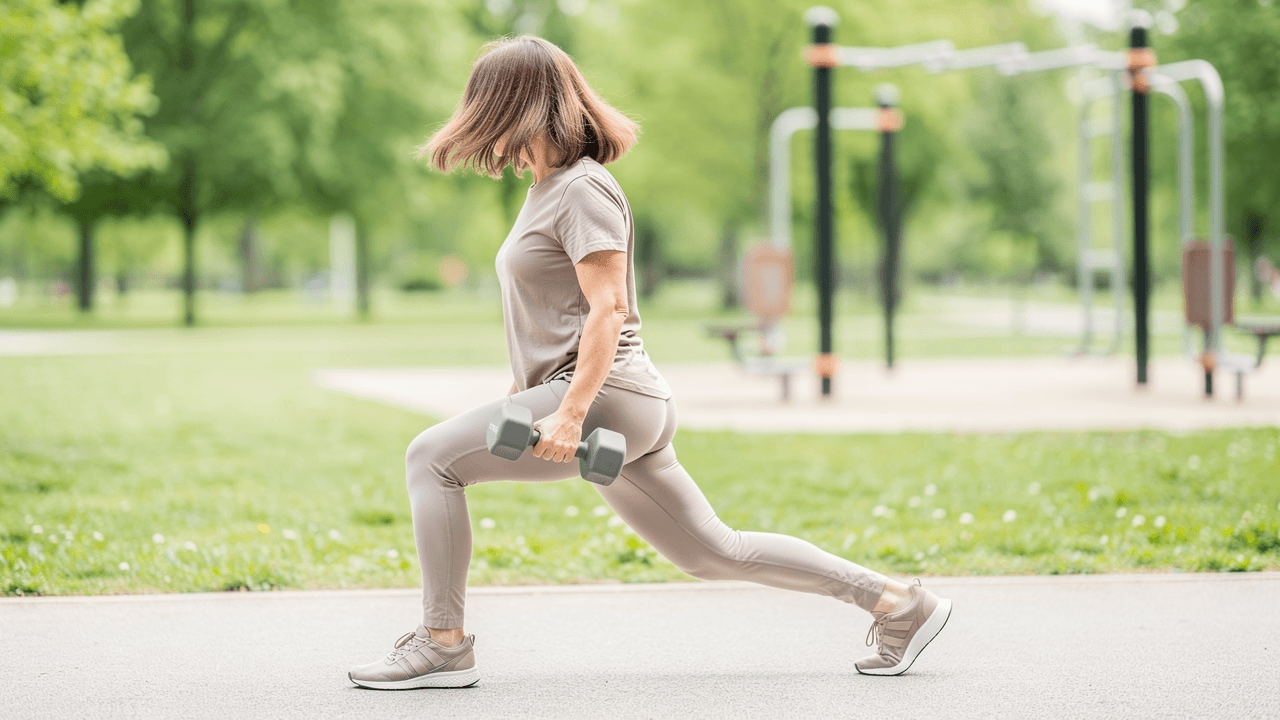
  • Start with bodyweight basics: squats to a chair, wall or incline push-ups, step-ups, and carries. Progress to resistance bands or dumbbells as movements get easy.
  • Hit the major muscle groups — legs, hips, back, chest, shoulders — rather than isolating small ones.
  • Keep protein on your plate. Trial participants were coached on protein and fiber intake, which supports muscle retention while appetite is suppressed. Smaller portions make protein-first eating more important, a point we covered in our guide to supplements and nutrition on GLP-1s.
  • Ask for help if you need it. A licensed provider can refer you to an exercise physiologist or physical therapist if you have joint problems or haven't trained before.

Side Effects and Safety Still Apply

None of this changes the fundamentals of GLP-1 treatment. Tirzepatide and semaglutide commonly cause nausea, constipation, diarrhea, and fatigue — especially during dose escalation — and nausea that interferes with eating enough protein can work against your muscles. Supportive options like anti-nausea medication can help you stay consistent. These medications aren't appropriate for everyone: people with a personal or family history of medullary thyroid carcinoma or MEN 2, a history of pancreatitis, or who are pregnant or planning pregnancy need different plans. Starting a new exercise program also deserves a conversation with your provider if you have heart disease or joint limitations. Treatment decisions — medication choice, dose, and the plan around it — should always be made with a licensed provider who knows your history.

How to Get Started With JoeyMed

If this research has you thinking about a more complete approach to weight loss — effective medication plus a plan to protect your strength — JoeyMed can help. Our licensed providers prescribe tirzepatide-based treatment when appropriate, review your health history and goals, and support you through dose changes and side effects, all through telehealth with discreet home delivery. Visit our weight loss program to take the first step, or explore our wellness services for the bigger picture of healthy aging. The scale is only half the story — the T-REx trial just showed why.

Lifting Weights on a GLP-1 in 2026: New Trial Shows Strength Rose 10% With Training — and Fell 10% Without It | Joey Med Blog – Joey Med | GLP-1 Telehealth Tampa FL